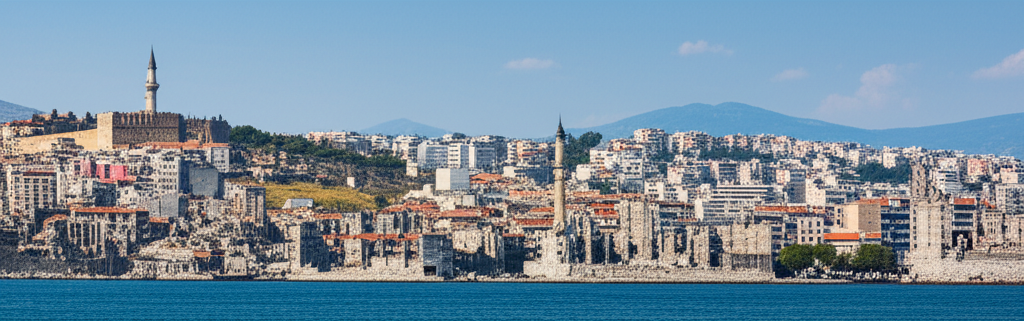
The cataclysm that engulfed the port city in September 1922 served as the violent conclusion to the Greco-Turkish War. While military engagements had defined the preceding years, the Great Fire of Smyrna represented a definitive strategic pivot in the region’s demographic and political landscape. The blaze, which systematically consumed the European, Greek, and Armenian quarters while leaving the Turkish districts largely intact, symbolized the irrevocable severance of the city’s multi-ethnic heritage.
This conflagration precipitated a massive humanitarian crisis, necessitating a chaotic evacuation that foreshadowed the formal Population Exchange of 1923. Strategically, the destruction effectively nullified the Megali Idea, the Greek irredentist aspiration to reclaim cross-Aegean territories. The logistical impossibility of sustaining a Greek administration amidst the ruins ensured that the Hellenic presence in Asia Minor was terminated not only militarily but also demographically.
For the emerging Turkish state, the eradication of the non-Muslim presence in this littoral economic hub removed internal ethnic complexities. This unintended or tactical clearing of the population streamlined the path toward the nationalist consolidation sought by the Turkish National Movement.
Ultimately, the fire was not merely a tactical scorching of earth but a transformative geopolitical event. It marked the terminal point of the Ottoman Empire‘s cosmopolitan tradition and the violent birth of a homogenous nation-state. The smoldering ruins of the quay signaled that the era of imperial coexistence had ended, replaced by rigid borders and distinct national identities.