The introduction of the safety match in the mid-19th century represented a profound, albeit quiet, revolution within the domestic sphere. Prior to its invention, the creation of fire was a hazardous undertaking. Early friction matches, containing volatile white phosphorus, were a constant source of anxiety, prone to accidental ignition and responsible for numerous household fires and poisonings. The management of fire was therefore an exercise in extreme caution, limiting its accessibility for everyday tasks.
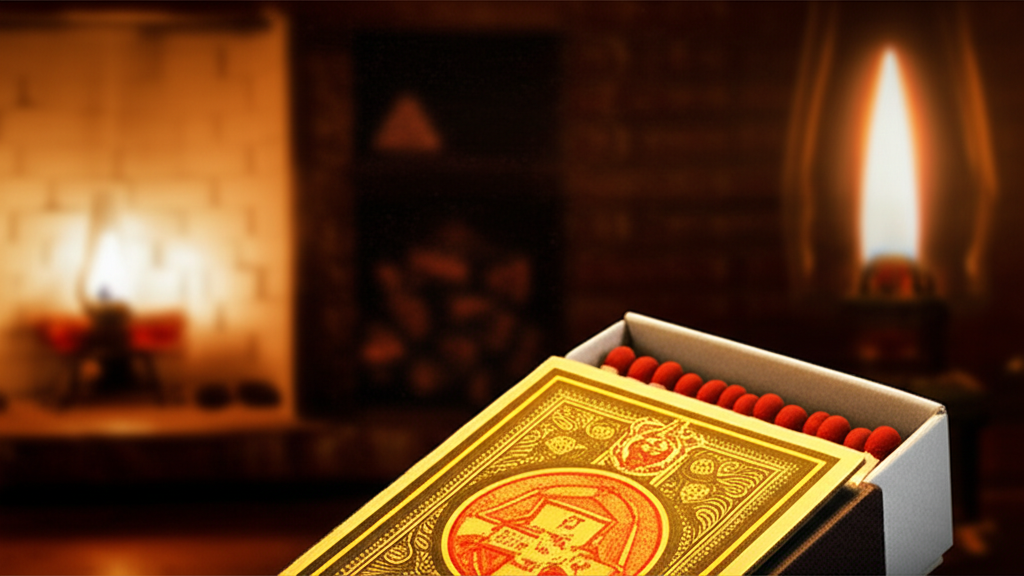
The strategic innovation of the safety match was its separation of reactive chemical components. By placing the red phosphorus on a dedicated striking surface rather than on the match head itself, inventors created a system where ignition was intentional and controlled. This design fundamentally altered the risk-benefit calculation of using fire in the home. The act of lighting a candle, a gas lamp, or a cooking stove was transformed from a perilous event into a routine, predictable action.
This newfound reliability and safety democratized on-demand fire. It empowered individuals to manage their environment with greater ease and security, contributing to improved household lighting, more efficient cooking, and a significant reduction in accidental fires. The safety match did not invent domestic fire, but it tamed it, making this essential element of civilization a safe and dependable tool for the masses and forever changing the rhythm of daily life.