
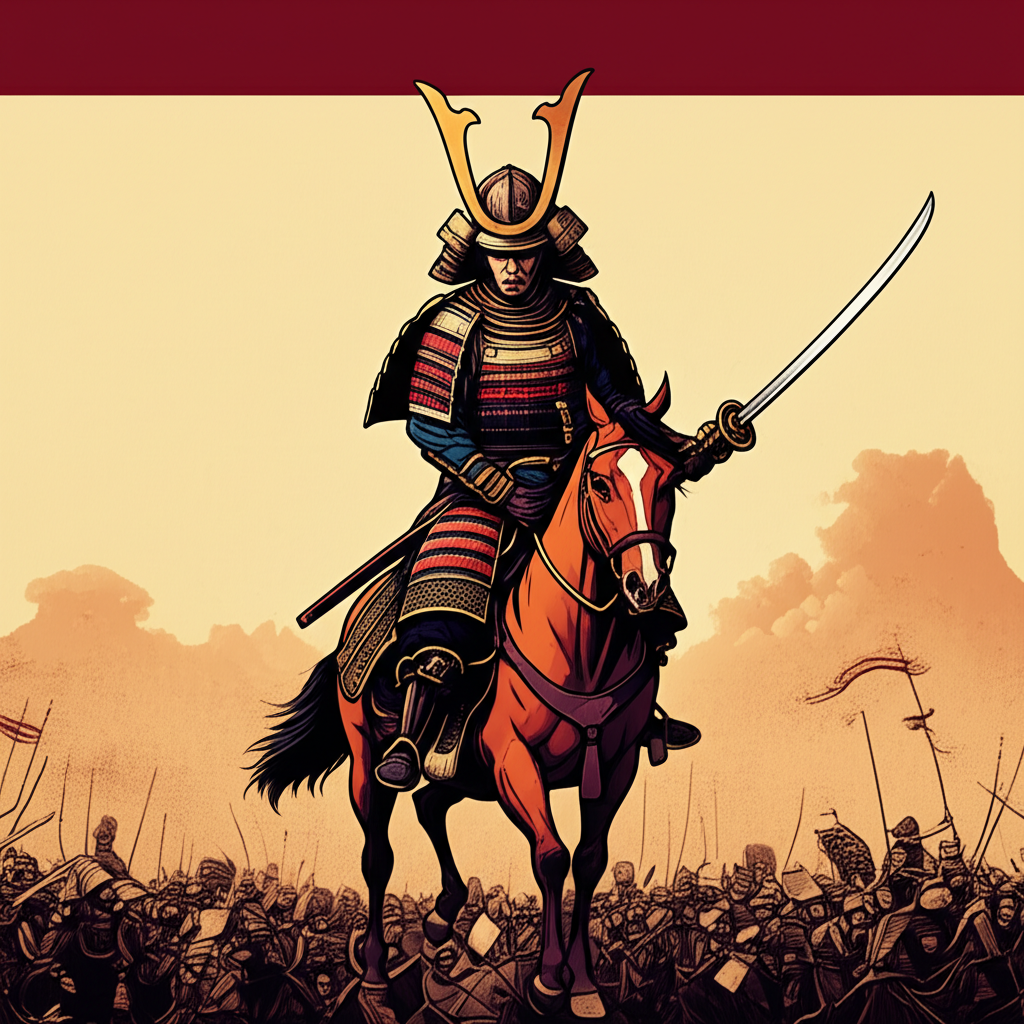
The Boshin War of 1868-1869 was the decisive conflict that dismantled the feudal structure of the Tokugawa Shogunate and solidified the authority of the new imperial government under Emperor Meiji. More than a simple power struggle, the war represented the violent culmination of decades of political and social pressure, ultimately accelerating Japan’s transition into a modern nation-state.
Strategically, the victory of the imperial forces was not merely a matter of superior numbers but of superior organization and technology. Leaders of the Satsuma-Chōshū Alliance effectively leveraged modern firearms and Western-style military tactics against the more traditional samurai armies loyal to the shogunate. This military modernization, compelled by the realities of the war, provided the blueprint for the creation of the Imperial Japanese Army, a national conscript force that superseded the regional samurai class as the primary instrument of state power.
The war’s conclusion provided the Meiji oligarchs with the political capital necessary to enact sweeping reforms. With their primary military opposition eliminated, they moved to abolish the han (feudal domains) and replace them with prefectures directly controlled by the central government. This administrative consolidation was critical, as it broke the power of the regional daimyō and allowed for the efficient implementation of nationwide policies, including standardized taxation and education. The Boshin War, therefore, was not an end but a beginning; it was the crucible in which the old order was destroyed, clearing the path for the rapid and unprecedented modernization of the Meiji Restoration.


