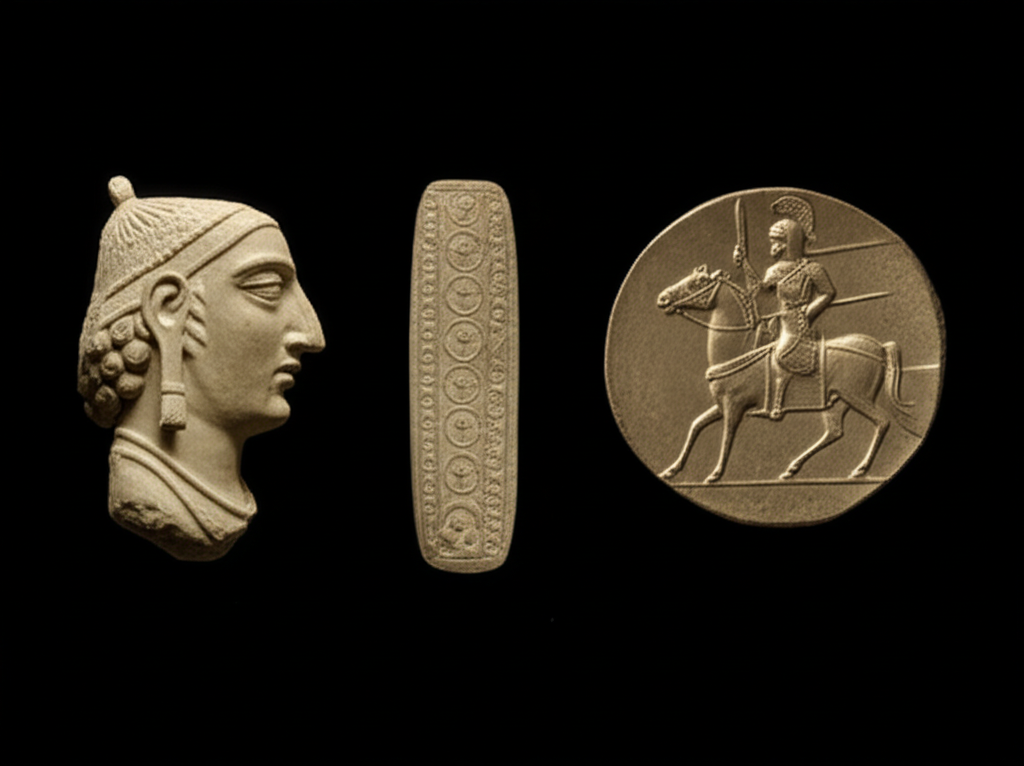
The migration of the Sakas, known historically as the Scythians, into South Asia marked a pivotal shift in the geopolitical landscape of the ancient world. Driven southward by the pressure of the Yuezhi tribes, these nomadic horsemen executed a calculated dismantling of the decaying Indo-Greek Kingdom. Rather than engaging in mere raiding, the Indo-Scythian advance represented a systematic occupation of key trade routes and fertile river valleys in Gandhara and Taxila during the second century BCE.
The consolidation of power under King Maues demonstrated a sophisticated understanding of regional governance. Unlike their predecessors who favored centralized control, the Indo-Scythians implemented a decentralized Satrapal system. This administrative strategy allowed local governors, or satraps, to manage vast territories with a high degree of autonomy, ensuring stability across diverse populations. This flexibility proved essential in managing the complex transition from Hellenistic to Iranian and Indian cultural spheres.
Furthermore, the strategic adoption of local symbolism solidified their rule. The coinage of the era reveals a deliberate synthesis, featuring Greek deities alongside Buddhist and Hindu iconography. This visual propaganda served to legitimize Azes I and his successors in the eyes of their subjects, effectively bridging the cultural divide between the steppe conquerors and the settled agrarian societies they governed.
Ultimately, the Indo-Scythian hegemony paved the way for subsequent powers. Their military innovations and administrative structures created a durable foundation upon which the Indo-Parthians and eventually the Kushans would build, ensuring that the Scythian legacy endured long after their direct political control had waned.