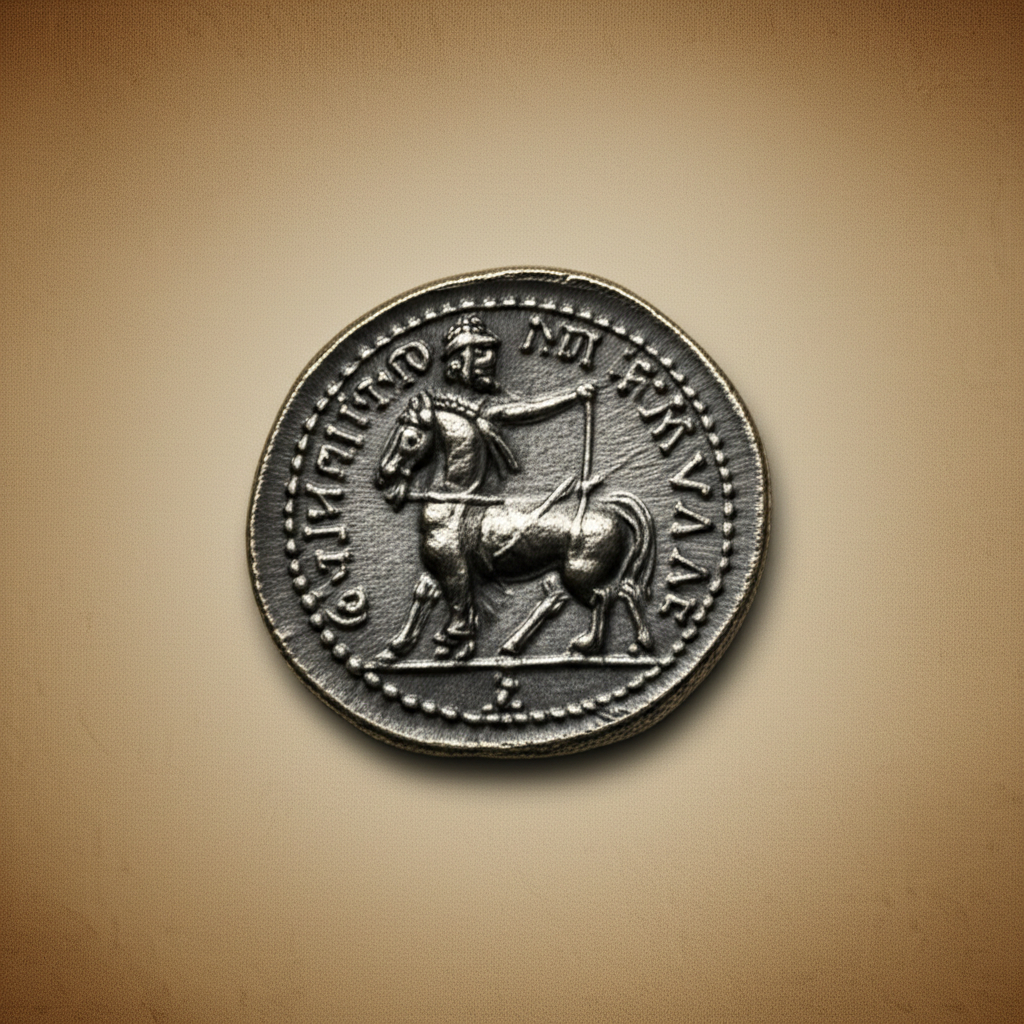
The establishment of the Greco-Bactrian Kingdom represented a calculated geopolitical fragmentation within the fragmented legacy of Alexander the Great. Following the strategic secession of Diodotus I from the overextended Seleucid Empire around 250 BCE, the region transformed from a peripheral satrapy into a fortified bulwark of Hellenism in Central Asia. This autonomy was not merely an act of rebellion but a necessary evolution to address the logistical impossibilities of governance from Antioch, allowing local rulers to better manage the defense of the northeastern frontier against nomadic incursions.
Under the Euthydemid dynasty, the state prioritized the consolidation of trade routes and the fortification of urban centers like Bactra and Ai-Khanoum. The subsequent campaigns led by Demetrius I across the Hindu Kush demonstrated a profound understanding of expeditionary logistics. By expanding into the Indus Valley, the administration secured access to vast resources and integrated local populations through a policy of cultural fusion rather than mere subjugation. This era witnessed the height of the kingdom’s territorial reach, leveraging a hybrid military structure that combined Macedonian phalanx tactics with the mobility of local cavalry.
However, the kingdom’s operational depth was eventually compromised by internal dynastic usurpations, most notably by the general Eucratides I, which fragmented military cohesion at a critical juncture. Simultaneously, the inability to sustain a static defense against the relentless migratory pressure of the Yuezhi and Saka tribes led to the eventual collapse of political order north of the mountains. Despite its fall, the strategic dissemination of Hellenistic art, coinage, and administration left an indelible mark on the East, influencing the successor Indo-Greek Kingdom for centuries.