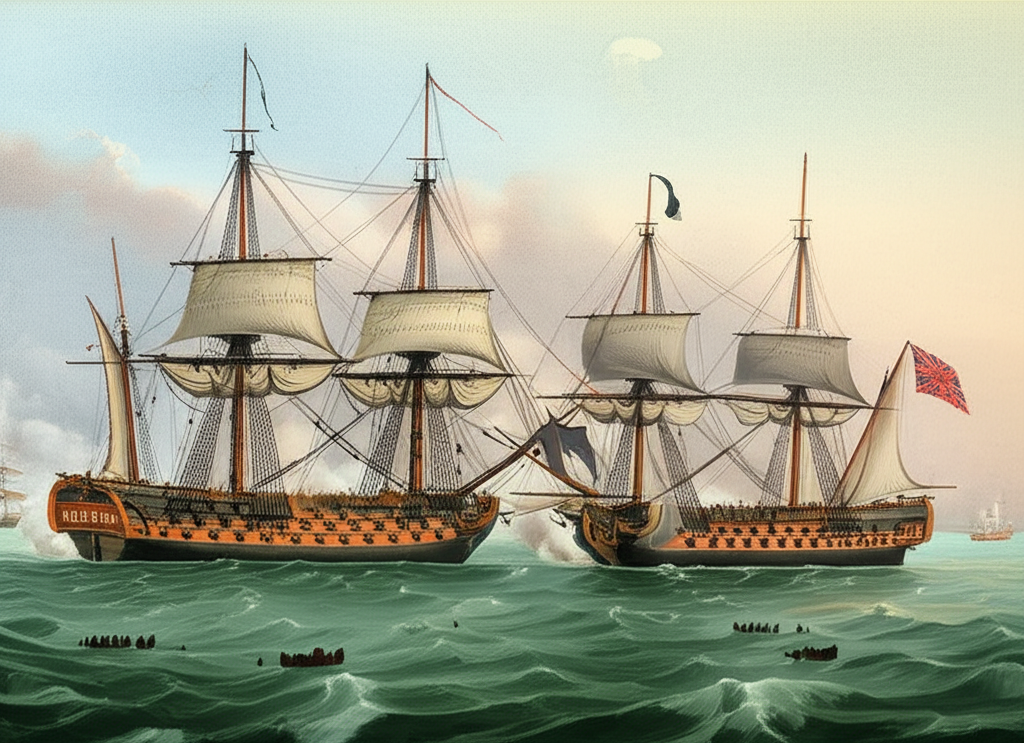
The transformation of the East India Company from a commercial venture into a sovereign military power was predicated on its absolute mastery of the seas. Initially reliant on armed merchant vessels known as East Indiamen, the Company soon recognized that the protection of its lucrative trade routes required a dedicated naval force. This realization culminated in the establishment of the Bombay Marine, a private navy distinct from the Royal Navy, yet equally disciplined and specialized in the complexities of asymmetric warfare in the Indian Ocean.
Strategic necessity drove the evolution of this force. The Company faced relentless hostility from European rivals, particularly the Portuguese and the Dutch, as well as indigenous maritime powers. To maintain the flow of commerce, the Marine adopted a dual strategy of convoy escort and aggressive coastal patrolling. This approach was essential in neutralizing the threat posed by the Siddis of Janjira and the formidable Maratha Navy, ensuring that the Company’s floating assets remained secure against interception.
Furthermore, the Company utilized its navy for scientific and logistical optimization. Officers conducted rigorous hydrographic surveys, mapping the treacherous waters of the Persian Gulf and the Red Sea. This accumulation of navigational intelligence provided a strategic advantage, allowing Company ships to navigate routes deemed impassable by competitors. Ultimately, the private navy did not merely protect trade; it projected imperial authority long before the British Crown assumed direct control.