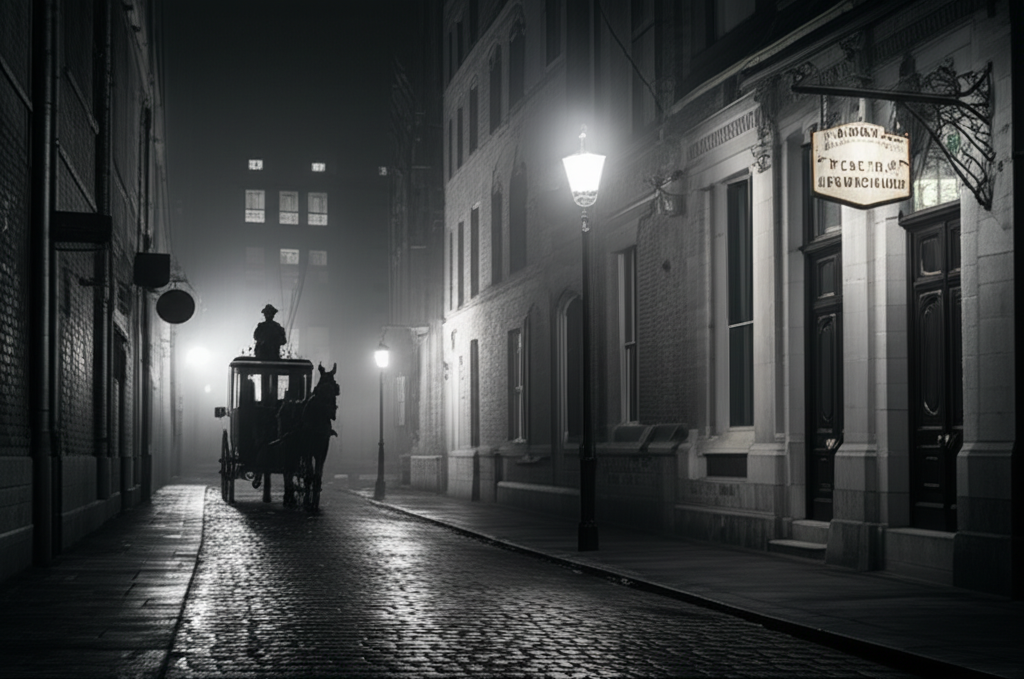
In the autumn of 1888, the gaslit streets of London’s Whitechapel district became the setting for a series of brutal slayings that would forever alter the course of criminal investigation. The perpetrator, known to history as Jack the Ripper, was never identified, but the strategic failures and societal conditions that allowed him to operate have been studied for over a century. The investigation was severely hampered by the nascent state of forensic science; without fingerprinting, blood typing, or criminal profiling, detectives were left with little more than eyewitness accounts, which were often contradictory and unreliable.
The Metropolitan Police Force, faced with an unprecedented challenge, employed what methods it could. House-to-house inquiries were conducted, hundreds of individuals were interviewed, and vigilance committees were formed by local citizens. However, the killer’s apparent knowledge of the district’s labyrinthine alleyways and his ability to disappear without a trace suggested a level of planning that consistently outmaneuvered law enforcement.
The intense media scrutiny and the circulation of taunting letters, purportedly from the killer himself, further complicated the official inquiry by creating widespread panic and misinformation. The enduring failure to apprehend Jack the Ripper exposed the profound limitations of Victorian policing and simultaneously gave rise to the field of Ripperology, a lasting testament to one of history’s most compelling unsolved mysteries. The case remains a stark illustration of a killer who exploited the vulnerabilities of a specific time and place.