The construction of the first Gotthard Rail Tunnel, which commenced in 1872, was a defining engineering enterprise of the 19th century. Driven by the strategic imperative to create a direct north-south artery through the Alps, the project was championed by figures such as Swiss statesman Alfred Escher, who recognized its vital importance for national commerce and sovereignty. The central challenge was not merely one of distance, but of overcoming the immense geological pressures, high internal rock temperatures, and persistent water ingress within the Gotthard massif.
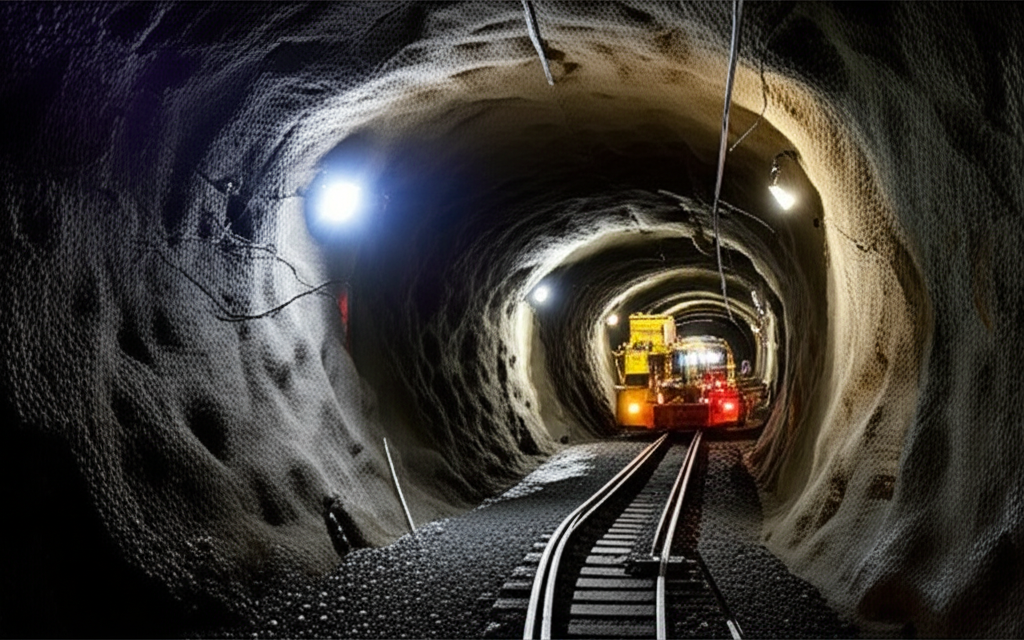
The undertaking, led by the Genevan engineer Louis Favre, required a departure from traditional excavation methods. His strategic approach centered on the simultaneous application of two relatively new technologies: dynamite, which offered vastly superior blasting power over black powder, and compressed-air rock drills, which dramatically accelerated the boring process. Work crews advanced from both the northern portal at Göschenen and the southern portal at Airolo, facing perilous conditions that resulted in significant loss of life.
When the two headings met with remarkable precision in February 1880, the event was hailed as a triumph of modern science and logistical planning. Favre tragically died inside the tunnel before its official opening in 1882, but his work fundamentally reshaped European transportation networks. The successful completion of the tunnel demonstrated that even the most formidable natural barriers could be overcome through systematic planning and technological innovation, cementing the railway’s dominance for decades to come.