The construction of the Canadian Pacific Railway in the late nineteenth century functioned not merely as a feat of civil engineering, but as the supreme instrument of National Unity. Following the initial confederation of the eastern provinces, the federal government faced the geopolitical necessity of binding British Columbia to the dominion. Failure to execute this transcontinental link threatened Western annexation by the United States. Consequently, the railway emerged as a strategic tether, designed to assert legislative sovereignty over a vast, fractured interior.
Execution of this grand design required the meticulous navigation of both fiscal crises and formidable geography. The governing Syndicate optimized their finite capital by prioritizing rapid track progression across the prairies, specifically rerouting through the arid southern plains. This trajectory deliberately preempted American rail incursions while expediting the construction timeline. However, the project encountered severe logistical friction in two distinct theatres requiring precise operational optimization:
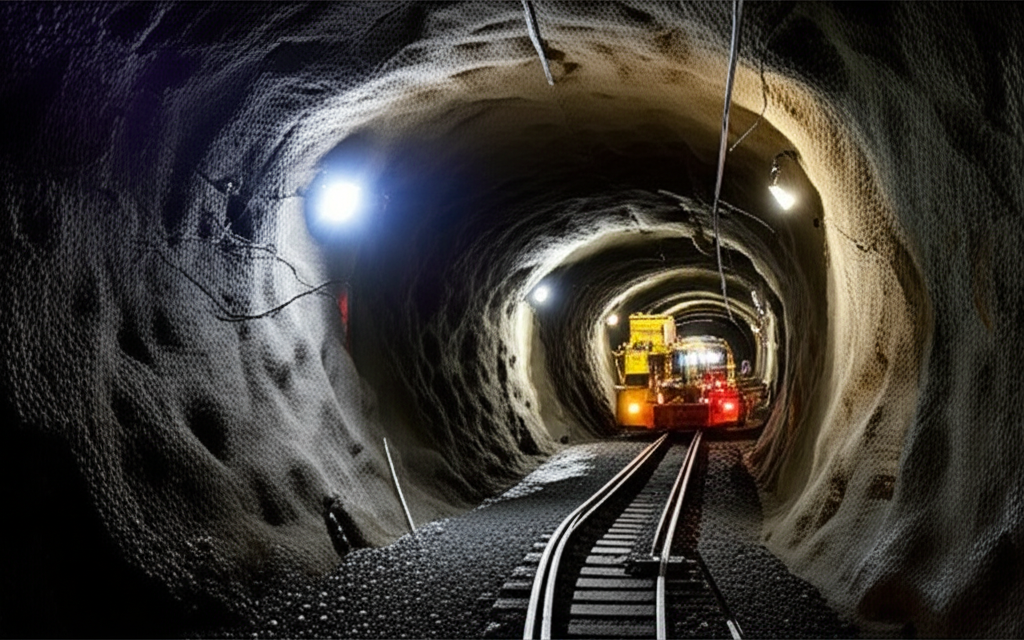
The Canadian Shield: A massive expanse of dense granite and muskeg that necessitated unprecedented quantities of explosives and the systematic deployment of an exhaustive labor force to blast through unyielding bedrock.
The Rocky Mountains: An alpine barrier requiring precarious surveying, the excavation of spiraling tunnels, and the construction of steep gradients to penetrate the forbidding peaks.
Ultimately, the completion of the railway in 1885 consolidated a disparate geography into a contiguous political entity. By centralizing the movement of military forces, agrarian settlers, and industrial goods, the steel thoroughfare transformed a fragile constitutional agreement into an integrated continental power. The endeavor stands as an objective testament to the sheer political will and strategic mobilization required to forge a unified state from an untamed wilderness.