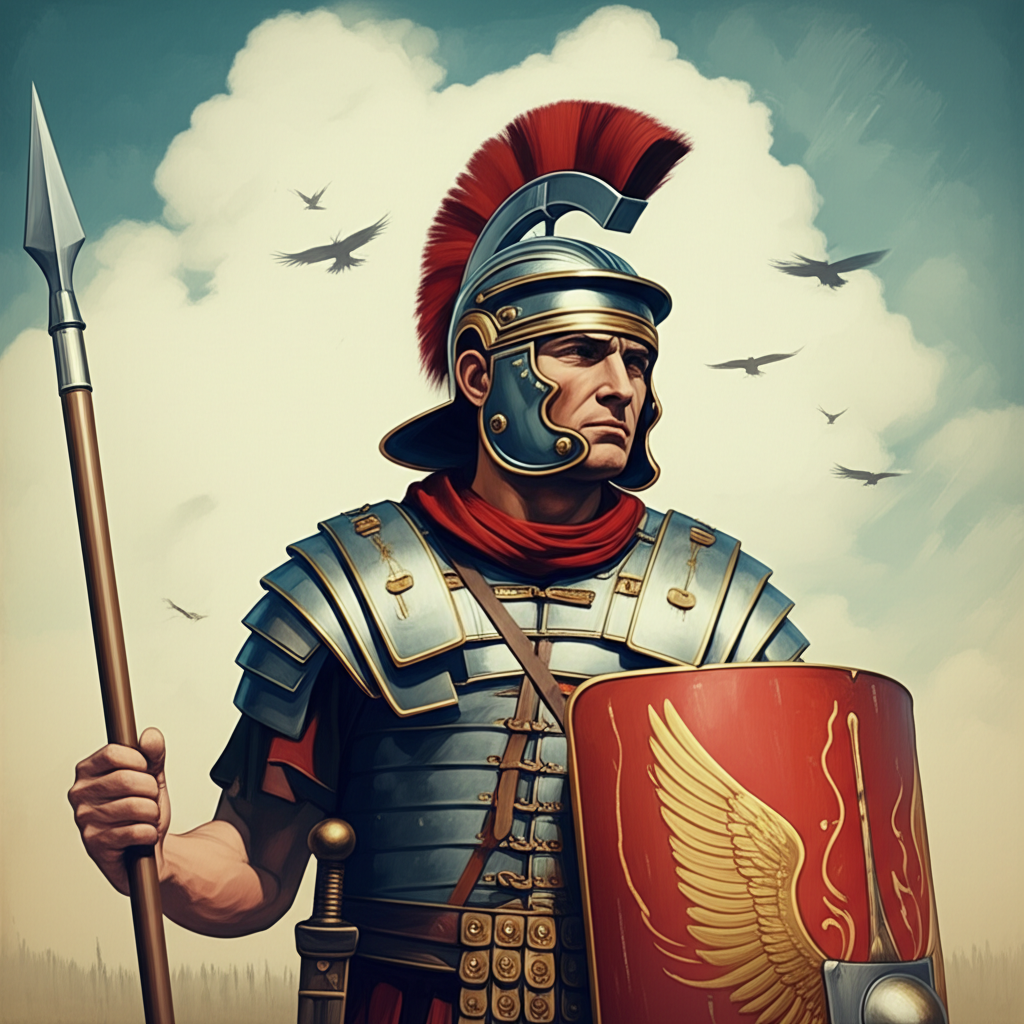
The practice of taking the auspices was a fundamental and non-negotiable prerequisite for any significant Roman military action. While rooted in religious tradition, this form of divination evolved into a sophisticated instrument of command, reinforcing a general’s authority and strategic control. The right to seek divine approval for an army, the auspicium, was vested solely in its supreme commander. This exclusive privilege inextricably linked his leadership to the will of the gods in the eyes of the common soldier.
Auspices provided commanders with a crucial tool for managing timing and morale. An unfavorable omen, such as the refusal of the sacred chickens to eat, offered a legitimate, face-saving pretext to delay a battle under disadvantageous circumstances. Conversely, a commander could stage or interpret a favorable sign to bolster the confidence of his legions immediately before an engagement. The sighting of an eagle or a fortuitous clap of thunder, when presented correctly by the augurs, could transform wavering resolve into a powerful conviction of divine favor and inevitable victory.
This system was not without its political and psychological dimensions. The interpretation of omens was a delicate art, allowing a skilled commander to shape the divine message to align with his strategic objectives. By carefully managing the ritual, a general could ensure the omens supported his plans, thereby using religious procedure to legitimize his decisions and unify his forces. In this manner, the auspices transcended mere superstition, becoming an integral component of Roman strategic thought and battlefield psychology.