The Collapse of the Minoan Maritime Empire
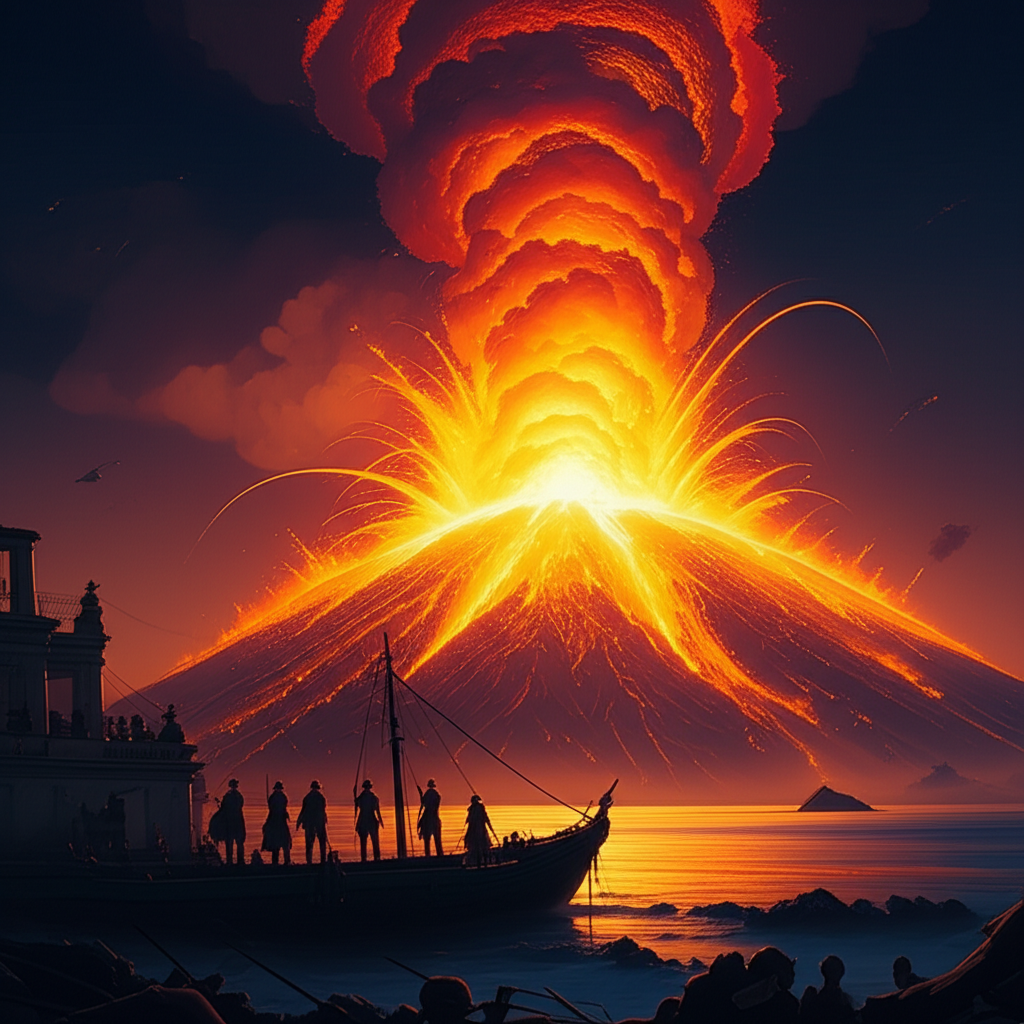
In the Late Bronze Age, the cataclysmic Thera Eruption irrevocably fractured the Mediterranean power dynamic. While the immediate seismic shocks and subsequent tsunamis devastated the northern coasts of Crete, the true mechanism of the Minoan collapse extended far beyond primary physical destruction. The catastrophe effectively dismantled the Minoan Thalassocracy, a maritime empire fundamentally reliant on unbroken naval supremacy and continuous trade.
The atmospheric ash fallout severely compromised agricultural yields across the region, triggering systemic famine and destabilizing the centralized palatial economy. Consequently, the administration at Knossos found its intricate resource management networks irreparably broken. The systemic unraveling of the Minoan state was characterized by three critical strategic vulnerabilities:
The obliteration of the northern naval fleet, which immediately dissolved Cretan control over vital Aegean shipping routes.
The destruction of major coastal infrastructure, severing lucrative trade arteries with Egypt and the Levant.
* The erosion of ideological authority, as the ruling elite failed to mitigate the unprecedented environmental disaster.
Deprived of their maritime monopoly and hollowed out by internal economic strife, the Minoan state became acutely vulnerable. This structural vacuum provided the necessary opening for the opportunistic Mycenaean Greeks to infiltrate and systematically conquer Crete. Ultimately, the eruption did not merely bury a neighboring island; it systematically unraveled the economic and defensive infrastructure of the Minoan civilization, abruptly concluding their golden age and shifting the geopolitical axis of the ancient world to the mainland.