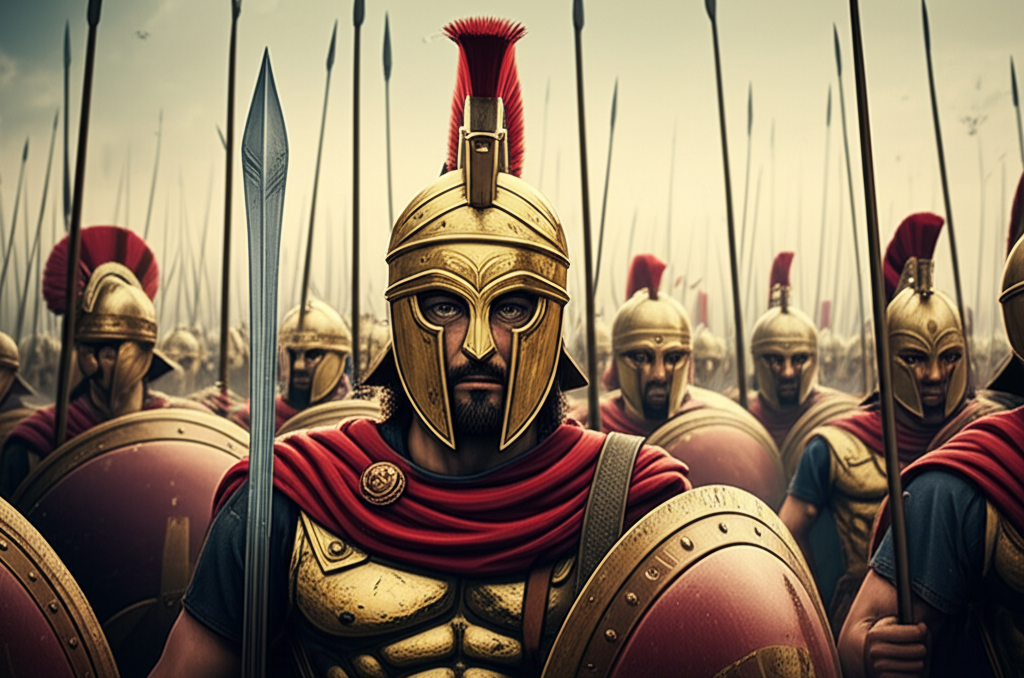
In the tactical architecture of the early Hellenistic armies, the Hypaspists occupied an indispensable position within the Macedonian Phalanx. Rather than serving as a static wall of spears, these elite infantrymen functioned as a dynamic hinge connecting the heavy infantry to the heavy cavalry. While the Foot Companions wielded the cumbersome sarissa to pin the enemy vanguard in place, the Hypaspists anchored the inherently vulnerable right flank. This strategic deployment prevented opposing forces from exploiting the inevitable rightward drift of the phalanx as it advanced into combat.
Unlike the rigidly structured central battalions, the Hypaspists retained a critical degree of operational fluidity. Historical consensus indicates they carried a traditional, heavier shield and a shorter spear, allowing them to traverse uneven terrain with greater alacrity than their encumbered counterparts. This specialized equipment optimized their primary tactical directive: to maintain an unbroken line of battle. When the Companion Cavalry launched their decisive wedge-shaped charges to shatter the enemy line, the Hypaspists advanced in close support, bridging the rapidly expanding gap between the charging cavalrymen and the slower central phalanx.
Their battlefield utility extended beyond mere flank protection. Macedonian commanders frequently detached the Hypaspists for specialized, high-intensity operations, including forced marches, night assaults, and sieges, where the unwieldy long pikes proved disadvantageous. Their rigorous training, veteranship, and supreme unit cohesion ensured that the Macedonian battle line rarely fractured, even under immense localized pressure. By effectively marrying the immovable mass of the central infantry with the unstoppable momentum of the cavalry shock troops, the Hypaspists served as the critical operational mechanism that elevated the Macedonian military apparatus to unprecedented strategic dominance across the ancient world.