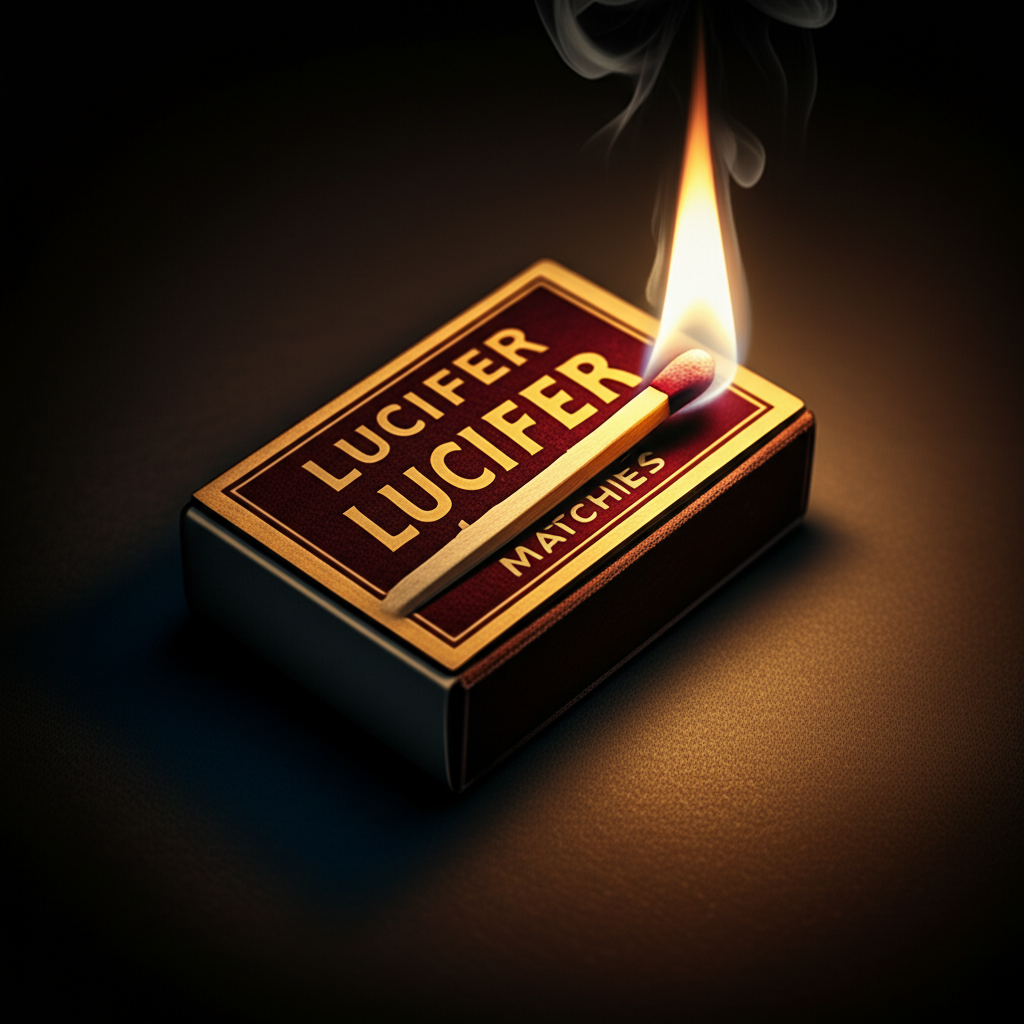
The introduction of the Lucifer match in the early 19th century represented a significant advancement in the chemistry of combustion, yet it was an innovation marred by severe physiological consequences. Manufacturers sought to optimize the utility of portable fire by utilizing White Phosphorus, an allotrope chosen for its incredibly low ignition temperature. This chemical strategy allowed for easy lighting through friction, but the volatility of the substance meant that matches were prone to auto-ignition, posing a constant risk of accidental conflagration during transport and storage.
The industrial application of this volatile element resulted in a catastrophic occupational hazard for factory laborers. Prolonged exposure to the toxic vapors generated during the dipping process caused Phossy Jaw, a debilitating necrosis of the jawbone. This condition demonstrated that the manufacturing process lacked necessary biological safeguards, as the phosphorus attacked the skeletal structure of workers who inhaled the fumes daily. The strategy of prioritizing chemical reactivity over toxicity created a grim reality within the production facilities.
Public outcry and medical evidence eventually forced a shift in industrial methodology. The sector was compelled to transition toward Red Phosphorus, a safer alternative that separated the reactive ingredients between the match head and the striking surface. This evolution into the safety match marked a critical turning point where the unchecked optimization of hazardous materials was finally curtailed by legislative action and the undeniable necessity for industrial hygiene.