The 1925 expedition led by Colonel Percy Fawcett represented a distinct departure from the cumbersome exploration tactics of the Victorian era. Driven by his interpretation of Manuscript 512 and indigenous oral traditions, Fawcett postulated the existence of a complex civilization buried within the Mato Grosso region of Brazil. Unlike his contemporaries, who favored large caravans, Fawcett adopted a strategy of minimalist travel to navigate the hostile environment known as the “Green Hell.”
By limiting his party to himself, his son Jack, and Raleigh Rimell, Fawcett aimed to minimize the logistical burden and reduce the perceived threat to territorial tribes. This calculated risk, however, removed the safety net of established supply lines. The group’s final communication from Dead Horse Camp indicated high morale, yet it marked the terminus of verified history for the explorers.
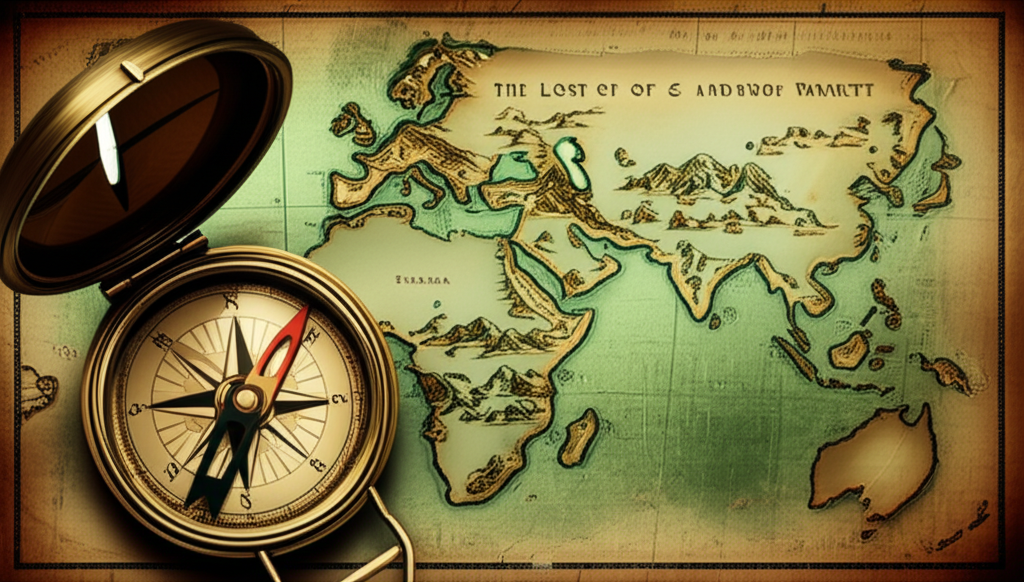
Subsequent analysis of the disappearance suggests that while Fawcett’s geographical instincts regarding pre-Columbian settlements—now supported by modern archaeology and the discovery of Kuhikugu—were likely theoretically sound, his tactical execution proved fatal. The expedition vanished into the silence of the jungle, leaving behind a legacy defined not by discovery, but by the enduring enigma of their fate. The Amazon ultimately claimed the explorer, preserving the secret of The Lost City of Z as a cautionary testament to the unforgiving nature of unmapped wilderness.