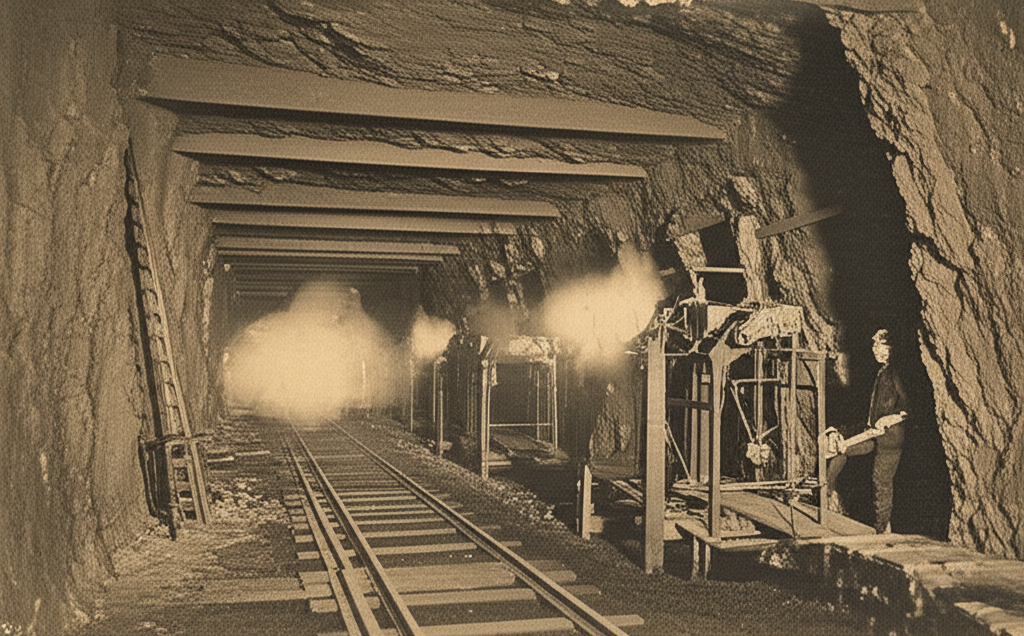
The construction of Neuschwanstein Castle, initiated in 1869, was an exercise not in medieval building techniques but in 19th-century industrial prowess. King Ludwig II’s vision demanded the realization of a romantic ideal, yet its execution relied entirely on contemporary engineering and logistics. The precipitous, mountainous site presented immense challenges, necessitating a sophisticated strategy for transporting vast quantities of material.
To overcome these obstacles, planners employed the most advanced technology available. A steam-powered crane was essential for hoisting stone, brick, and the innovative iron girders that formed the castle’s internal skeleton. This modern framework, concealed beneath a veneer of historicist architecture, allowed for larger halls and more elaborate designs than authentic medieval methods would have permitted. Furthermore, the workforce, composed of hundreds of specialized artisans and laborers, was organized with an efficiency characteristic of the industrial era.
The strategic objective was to create a flawless theatrical set, not a functional fortress. Consequently, the project’s management prioritized aesthetic perfection over historical accuracy or budgetary restraint. The continuous revisions to architectural plans and the integration of modern amenities like central heating and running water underscore the castle’s true nature: a technically advanced monument dedicated to a meticulously crafted, idealized past.