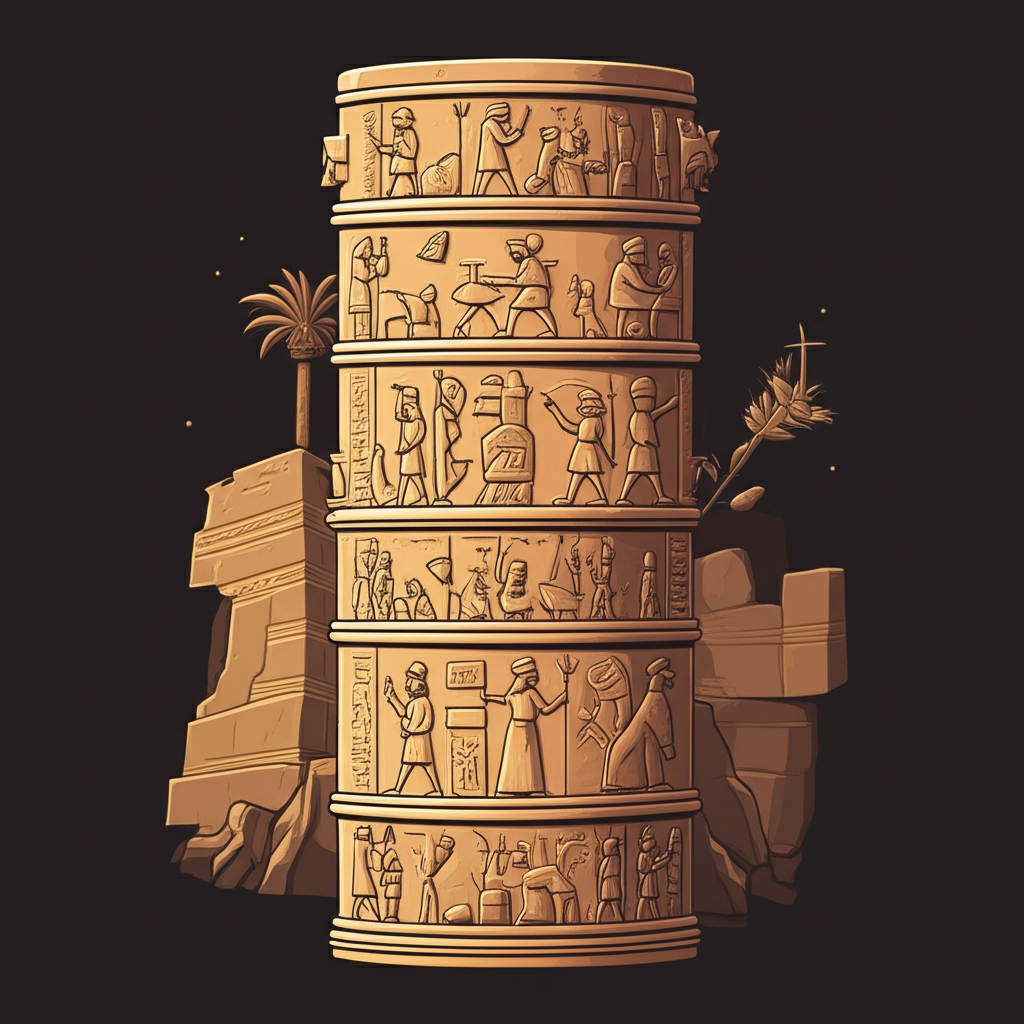
The modern interpretation of the Cyrus Cylinder as an early declaration of human rights remains a subject of considerable historical debate. While its text, which describes the repatriation of displaced peoples and the restoration of religious cults following the Persian conquest of Babylon in 539 BCE, contains elements that resonate with contemporary values, its primary purpose was rooted in ancient Near Eastern tradition.
This inscribed clay object was intended as a foundation deposit, a common practice in Mesopotamia where rulers would bury such proclamations in the foundations of new or restored temples. The text strategically aligns Cyrus the Great with established Babylonian kingship. By casting the previous ruler, Nabonidus, as an impious tyrant who had neglected the god Marduk, Cyrus presented himself not as a foreign invader but as a divinely chosen restorer of order and tradition.
The policies outlined in the cylinder were therefore pragmatic acts of statecraft rather than abstract principles. Allowing captive communities, including the Jews, to return to their homelands and rebuild their temples was a calculated strategy to secure the loyalty of a diverse and newly conquered population. The cylinder served as a powerful piece of royal propaganda, using the familiar language of Mesopotamian royal inscriptions to legitimize Persian authority and ensure the stability of the empire’s most valuable new province.