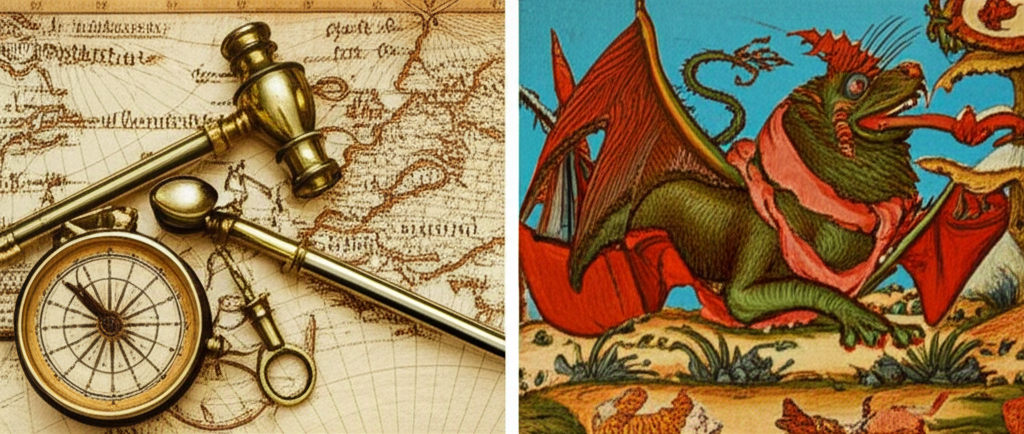
The Travels of Sir John Mandeville, first circulated in the mid-14th century, stands as a seminal work not of exploration, but of literary compilation. For centuries, its accounts of distant lands, including the Holy Land, India, and Cathay, were accepted as the authentic experiences of an English knight. However, historical analysis reveals the text to be a masterful fabrication, strategically assembled from earlier, genuine travelogues and encyclopedic sources. The author, whose true identity remains debated, skillfully wove together factual geographic details with fantastical tales of monstrous races and exotic wonders.
The enduring significance of the Travels lies not in its authenticity, but in its reflection of the medieval worldview. It was a work designed to satisfy a burgeoning European curiosity about the East, a region understood through a lens of biblical prophecy, classical legend, and mercantile ambition. The author’s optimization of existing material created a single, accessible volume that presented a comprehensive, if embellished, picture of the known world.
By blending the plausible with the incredible, the text confirmed preconceived notions of a world full of marvels existing at the fringes of Christendom. Its success demonstrates that the 14th-century reader was often less concerned with verifiable fact than with a narrative that was theologically and culturally resonant. The book’s value is therefore not as a travel diary, but as a cultural document that illuminates the intellectual and imaginative landscape of the late Middle Ages.