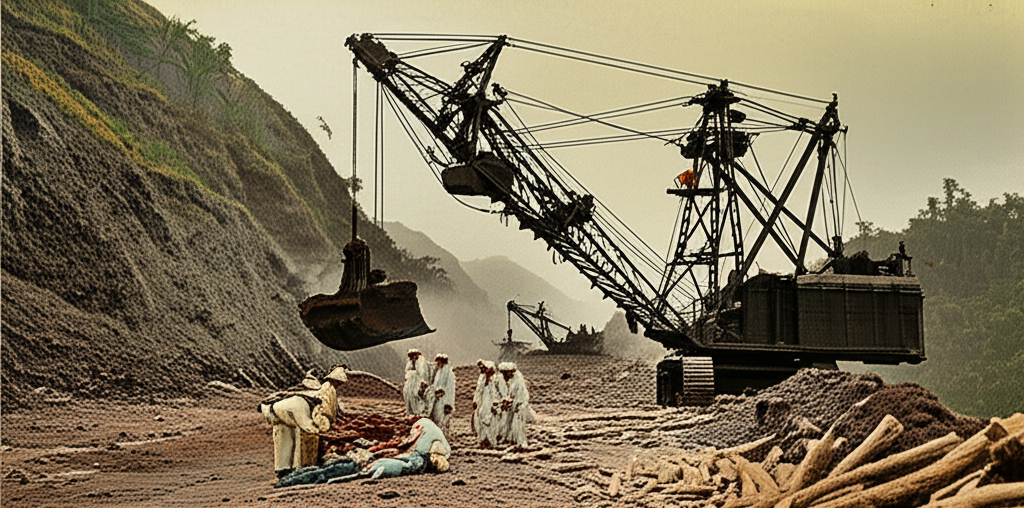
The American undertaking to construct the Panama Canal inherited not only the abandoned French machinery but also the deadly scourge of tropical disease that had doomed the previous effort. While engineering challenges were immense, the initial, most critical strategic objective was not excavation but sanitation. The conquest of Yellow Fever became the prerequisite for any progress, transforming the Canal Zone into a laboratory for public health innovation.
Under the direction of Colonel William C. Gorgas, authorities initiated a systematic campaign of eradication. This was not a general cleanup but a targeted assault on the Aedes aegypti mosquito, recently identified as the disease vector. The strategy was comprehensive and relentless. Sanitation brigades were deployed across the zone with a singular mission: to eliminate mosquito breeding grounds. Their methods included:
Draining swamps and pools of standing water.
Fumigating homes and workspaces with insecticide.
Installing screens on buildings.
Covering water cisterns and applying oil to water surfaces to kill larvae.
By 1906, this meticulous campaign had effectively eliminated Yellow Fever from the Canal Zone. This public health victory was the foundational achievement upon which the canal was built. It enabled the stable workforce necessary to overcome the monumental engineering obstacles, proving that the control of the microscopic mosquito was as vital as the removal of mountains of earth.