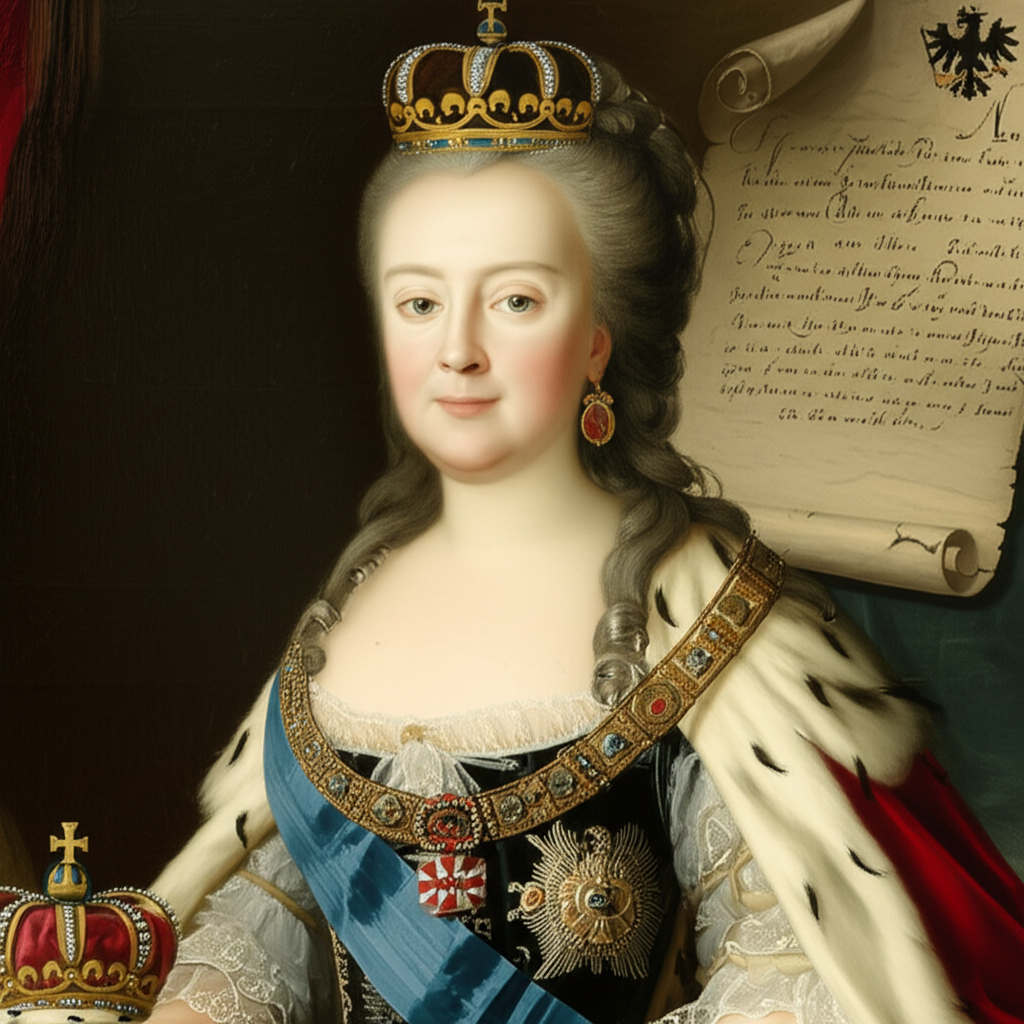
The Pragmatic Sanction of 1713 represented Emperor Charles VI’s paramount diplomatic endeavor, a meticulously crafted legal instrument designed to subvert Salic law and ensure the indivisible succession of the Habsburg hereditary lands. Its central purpose was to secure the throne for his eldest daughter, Maria Theresa, in the absence of a male heir, thereby preserving the territorial integrity of the monarchy.
Charles VI dedicated much of his reign to securing foreign recognition for the edict. This campaign, however, came at a significant cost, compelling him to make considerable political and economic concessions to European powers. States such as Great Britain, the Dutch Republic, and even rival France offered their assent, yet these agreements proved tenuous. The Emperor’s strategy prioritized legalistic assurances over military preparedness, a calculation that would be severely tested.
Upon Charles’s death in 1740, the carefully constructed diplomatic framework collapsed. Frederick II of Prussia immediately contested Maria Theresa’s claim by invading Silesia, igniting the War of the Austrian Succession. The Pragmatic Sanction, intended as a guarantee of a peaceful transition, instead became the very pretext for a widespread European conflict. Despite the initial onslaught, Maria Theresa’s resolute defense of her inheritance ultimately demonstrated that dynastic legitimacy rested not merely on documents, but on the capacity to command loyalty and project power.