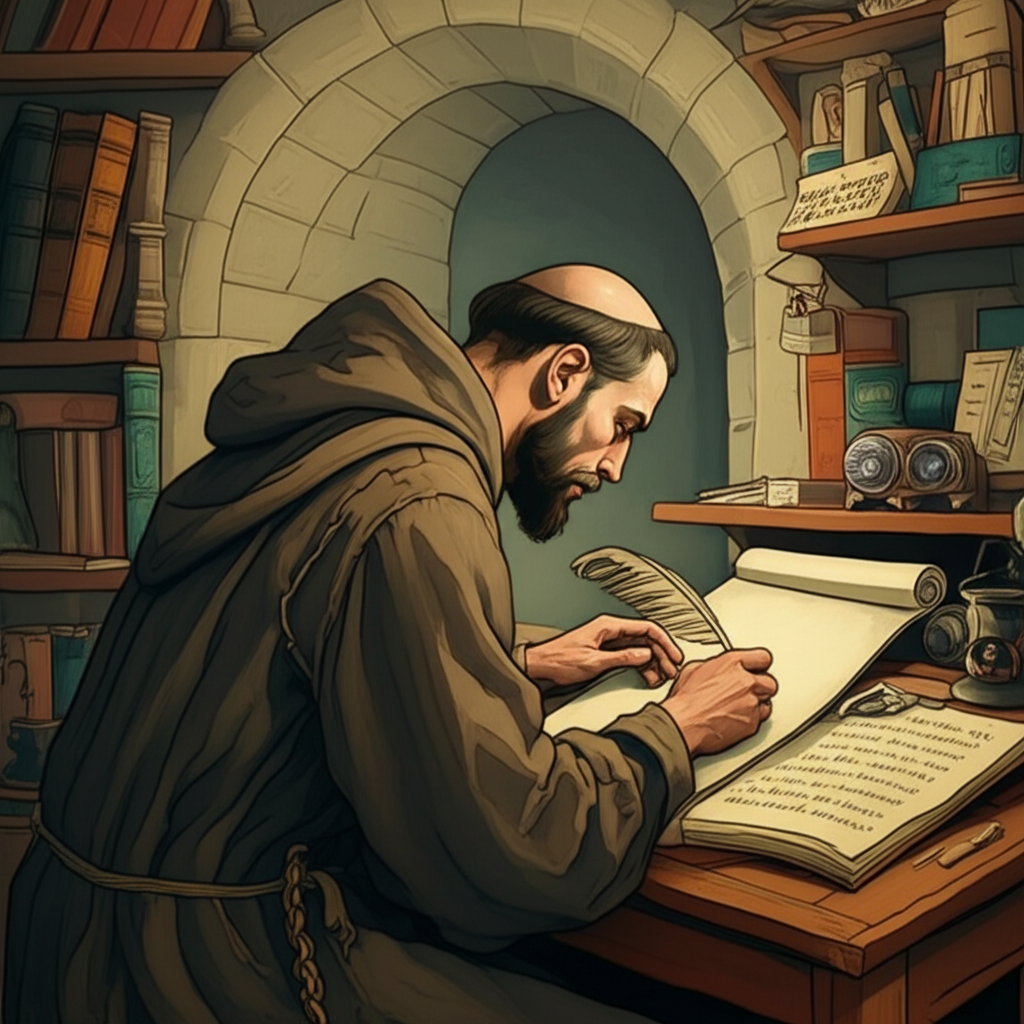
The life of a medieval monk was a meticulously engineered existence, deliberately structured to subordinate the individual will to a collective spiritual purpose. The foundational architect of this life in Western monasticism was the Rule of Saint Benedict, which provided a comprehensive framework for a balanced and ordered community dedicated entirely to divine service. This system was not merely a schedule but a sophisticated strategy for spiritual optimization, ensuring that every moment was accounted for and directed toward a sacred end.
The day was anchored by the eight services of the Divine Office, collectively known as the Opus Dei, or “Work of God.” Beginning with Matins long before dawn and concluding with Compline after dusk, this cycle of psalms, hymns, and prayers formed the rigid spine of the monastic day. All other activities were strategically fitted into the intervals between these liturgical gatherings. This rhythmic return to the chapel was designed to perpetually reorient the monk’s focus, preventing worldly concerns from taking root and ensuring that prayer remained the central, defining activity of his life.
Between these communal prayers, the principle of ora et labora (pray and work) governed the monk’s time. Manual labor in the fields or workshops provided for the monastery’s self-sufficiency and was viewed as a vital form of practical devotion. This physical exertion was balanced by periods set aside for lectio divina, the sacred reading and contemplation of scripture. This tripartite division of liturgical prayer, physical labor, and intellectual study created a holistic and disciplined environment, intended to shape a soul fit for the service of God.